

Opening a Junior College involves several steps, and while the basic framework is similar in both India and the U.S., the specific regulations and documents required vary by country and sometimes even by state or region. Here's an overview of the process in both countries:
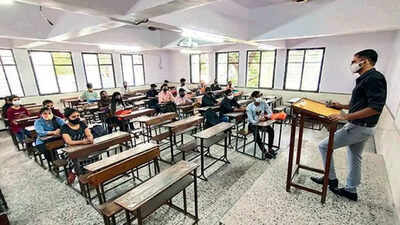
1. India: Process of Opening a Junior College
In India, the process of establishing a junior college is regulated by state educational boards and the Ministry of Education. It involves several steps:
Key Steps:
Proposal and Application:
- The first step is to submit a formal proposal to the respective state's Department of Education.
- The proposal should include the institution's objectives, curriculum, facilities, financial backing, and faculty structure.
Land and Infrastructure:
- The institution needs to own or lease land and provide adequate infrastructure, such as classrooms, laboratories, libraries, and other necessary facilities.
Affiliation:
- Apply for affiliation with a recognized educational board (like the State Education Board or CBSE/ICSE).
- This usually requires meeting specific criteria like infrastructure, faculty qualifications, and financial stability.
No Objection Certificate (NOC):
- You need to obtain an NOC from the State Government’s Education Department.
- The government ensures that there is a need for such an institution in that area.
Approval from Regulatory Authorities:
- After securing the NOC, submit documents to educational bodies for inspection.
- Once inspections are done (including academic and infrastructure review), you may receive approval to operate the college.
Recruitment of Faculty:
- You must hire qualified teachers and support staff according to the educational norms.
Opening and Student Enrollment:
- Once all approvals are obtained, the institution can start enrolling students and begin operations.
Documents Required:
- Proposal with college objectives
- Land ownership/lease documents
- Building plans and construction approval
- NOC from State Government
- Affiliation application
- Details of faculty qualifications
- Financial statements
- Infrastructure details (laboratories, libraries, etc.)
- Fire safety and sanitation certificates
2. United States: Process of Opening a Junior College (Community College)
In the U.S., junior or community colleges are typically regulated at the state level, and the process can vary widely from one state to another. Generally, the following steps apply:
Key Steps:
Community Need Assessment:
- Demonstrate the need for a junior college in the community, often through surveys, reports, and local government support.
Proposal Submission:
- Submit a detailed business plan and proposal to the state’s Department of Education or relevant authorities.
- Include details about curriculum, faculty, facilities, and financial backing.
Licensing and Accreditation:
- Obtain the necessary licenses to operate an educational institution.
- Apply for accreditation from regional accrediting bodies (such as the Higher Learning Commission or other regional bodies).
Infrastructure Setup:
- Establish physical infrastructure, including classrooms, libraries, computer labs, and other student services.
Funding and Budget:
- Ensure financial backing through public or private sources, as junior colleges often rely on local, state, and federal funding.
Recruit Faculty:
- Ensure hiring of qualified faculty as per state or federal guidelines.
Approval from State Authorities:
- After inspection and meeting legal requirements, you can obtain the official go-ahead to operate the junior college.
Begin Enrollment:
- Once all regulations are satisfied, the college can begin recruiting students.
Documents Required:
- Community need assessment report
- Business plan
- Land ownership/lease documents
- Accreditation application
- Financial documents and funding plans
- Faculty details and qualifications
- Building and infrastructure details
- Licenses and regulatory approval documents
Similarities Between the Indian and U.S. Process:
Need for Government Approval: Both countries require government approval through education departments or regulatory bodies.
Affiliation/Accreditation: Institutions in both countries need to be affiliated or accredited by recognized educational boards or accrediting bodies.
Infrastructure and Faculty Requirements: Adequate infrastructure and qualified faculty are prerequisites in both India and the U.S.
Detailed Proposal and Inspection: A detailed proposal and subsequent inspection by authorities are common in both processes.
Key Differences:
State vs. Federal Regulation: In the U.S., junior colleges often receive federal support and are governed by regional accreditation bodies, while in India, most of the process is handled at the state level.
Funding: U.S. junior colleges are often publicly funded or receive federal aid, while in India, many junior colleges are private institutions and rely more on tuition fees or private funding.
Community Involvement: U.S. community colleges often have more direct involvement from local governments and communities in the decision-making process, while in India, it is more bureaucratic.
Each country has its unique regulatory landscape, but the fundamental steps of creating a proposal, securing land and infrastructure, obtaining government approvals, and hiring faculty are similar across the two.
0 Comments
Hi, How are you dear. Hope you are good